Home › Brick Veneer Installation
We install high quality brick veneers in Durham, NC to refresh aging siding or add brick accents without full structural masonry. Our team handles moisture control, anchoring, and clean detailing so your brick veneer looks authentic and performs well for years.
Superior Masonry Durham provides professional brick veneers throughout Durham, NC, North Carolina and the surrounding area. Our licensed, insured crew delivers safe, clean, on-time work with a free estimate before anything begins. Call (984) 520-5238 or request your free quote.
Durham Brick Veneers That Look Like Full Brick, Without the Weight
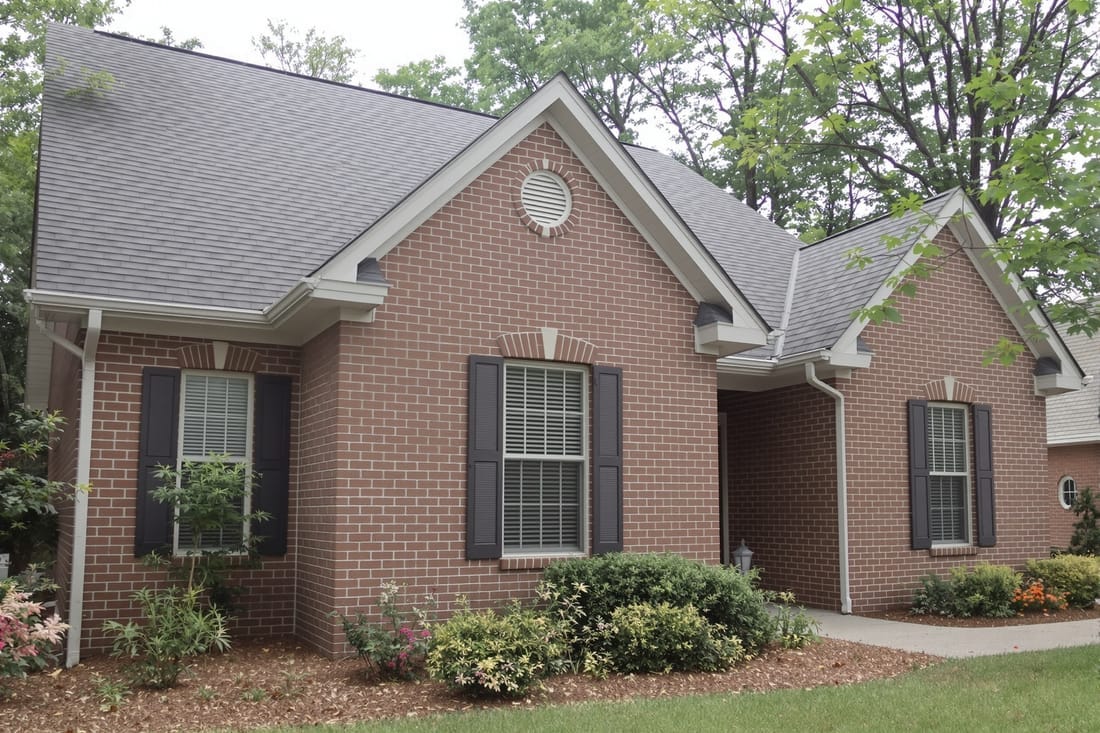
Brick veneers give you the classic brick look without turning your home into a full masonry rebuild. At Superior Masonry Durham, we install brick veneers that are real clay brick or manufactured units, anchored to your existing walls to create a durable, attractive exterior or interior finish.
In Durham, many homes have aging siding, painted block, or dated facades that no longer match the neighborhood. Brick veneers are often the most practical way to upgrade the look and value without tearing the structure apart. We design each veneer system to handle our hot summers, sudden thunderstorms, and occasional winter freezes so your new brick face does not crack or trap moisture.
Our team focuses on clean transitions where new brick meets existing materials, such as around garage doors, porch columns, and foundation walls. By planning those details ahead of time, we avoid awkward visual seams and reduce long term maintenance issues like caulk failure and water staining.
Whether you want a full front elevation in traditional red brick, a modern white-washed veneer on your chimney, or an accent wall in your kitchen, we match the product and installation method to your specific Durham home, not a one size fits all template.
How Brick Veneer Installation Actually Works On Your Home
A successful brick veneer project is as much about preparation and moisture control as it is about brick color. Superior Masonry Durham follows a step by step process so you understand what is happening at each stage.
First, we inspect your existing wall structure. Brick veneers can be installed over block, poured concrete, or framed walls with sheathing. We look for any structural movement, water damage, or rot. If we find soft spots around window sills or at the bottom of walls, we address these before installing the veneer so the new brick does not hide a serious problem.
Next, we prepare the substrate. For framed walls, this usually means installing a weather resistant barrier (like house wrap or building paper), metal lath if needed, and weep screeds or base flashing at the bottom. On block or concrete, we clean, repair, and if necessary apply a bonding agent so new mortar adheres properly.
We then set brick ties or anchors into the wall framing or concrete at specific intervals. These ties lock the brick veneer to the structure while allowing a small air space behind the brick. That gap is essential in our humid Durham climate because it lets moisture drain and the wall dry out instead of trapping water.
Our masons lay the bricks starting from a level base. We keep consistent joint thickness, use level and plumb lines, and check coursing around windows and doors to avoid odd cuts at the top. Mortar joints can be tooled in different profiles, such as concave or flush, and we discuss these looks with you beforehand.
At the bottom of the wall and above openings, we integrate weep holes or joint vents so any water that gets behind the brick can escape. Flashing is tucked behind the weather barrier and extended out to the face of the brick, a detail that is critical to prevent hidden leaks during Durham’s heavy summer storms.
Finally, we clean the brick carefully, usually with low pressure water and masonry cleaners that will not burn or discolor the surface. We protect your landscaping and hardscapes with tarps and plywood, then perform a final walkthrough with you to confirm that the layout, mortar color, and transitions match what we planned.
Brick Veneer Options: Colors, Patterns, and Where to Use Them
Brick veneers are not one style fits all. Superior Masonry Durham helps you choose materials that work with your home’s age, roof color, and neighboring properties so your project looks intentional instead of patched on.
Material types include thin real clay brick, modular face brick used as veneer, and manufactured stone and brick units. Thin brick veneers are lighter and ideal for interior accent walls, fireplaces, and places where space is tight. Full brick veneers, which are roughly 3 5/8 inches deep, work best on exterior walls and foundations because they provide more impact resistance.
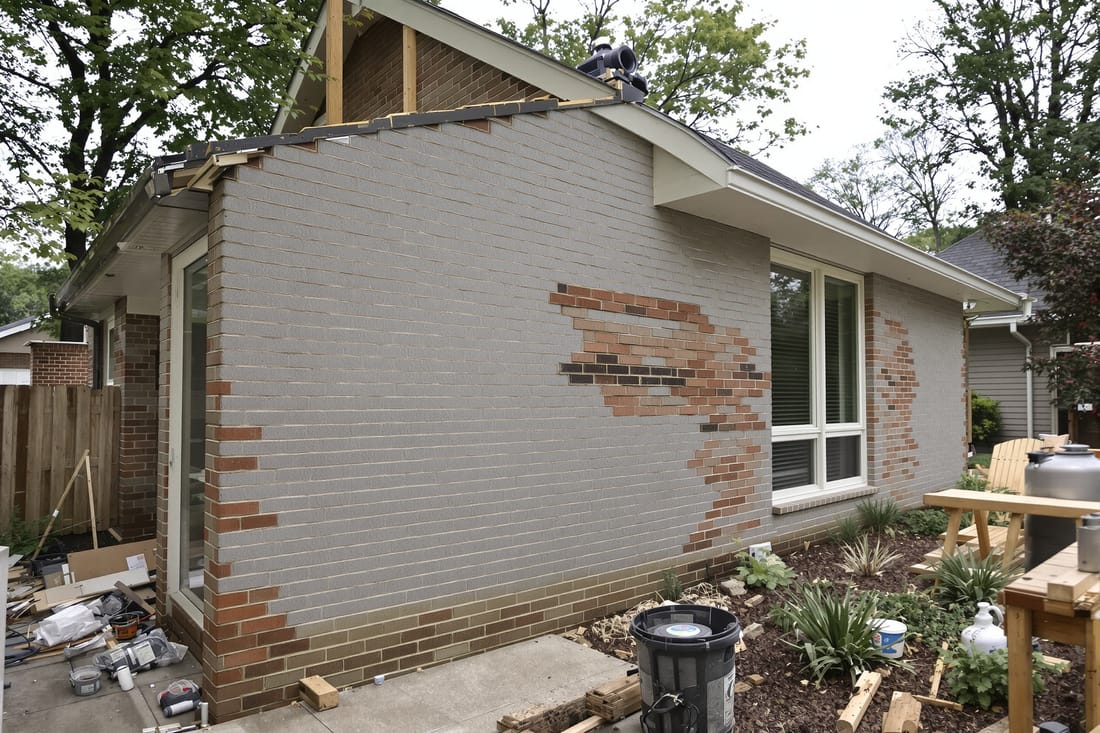
Color and texture options range from smooth red brick usually seen in older Durham neighborhoods, to wire cut or tumbled brick with more variation. We often recommend slightly variegated blends for larger surfaces so the wall does not look too flat. For modern homes, clients often choose softer grays and whites, sometimes with a whitewash or slurry finish that still shows some brick texture.
Patterns matter as well. Running bond is most common and cost effective, but accent bands, soldier courses over windows, and rowlock caps on short walls can add detail without a big price jump. On interior projects, like a kitchen backsplash or living room wall, herringbone or basketweave patterns can create a focal point without changing materials.
Placement is another key decision. Many Durham homeowners start with a brick veneer on the front elevation only, wrapping corners far enough that side views still look complete. Others choose a brick skirt along the lower portion of the home to visually ground the structure, then add brick to porch columns, chimneys, and entryways for a cohesive look.
What Affects the Cost of Brick Veneers in Durham
Homeowners often ask why two houses with similar square footage receive different brick veneer quotes. Superior Masonry Durham explains all cost drivers upfront so you know where your budget is going.
Square footage is only one factor. Complex wall shapes, curved sections, or many small window and door openings require more cutting and detailing time. Tall walls usually need scaffolding and more safety setup, which adds labor. Multiple return corners and bump outs also increase time and material use.
Material choice has a significant impact. Standard clay brick is generally more economical than specialty shapes, handmade brick, or custom color blends. Thin brick systems can reduce structural work but may need specific backer boards or engineered systems on framed walls, which changes the cost balance.
Preparation and repairs are often the hidden variables. Removing old siding, correcting bowed walls, replacing rotten sheathing, or installing new flashings around existing windows can add to the project cost but are crucial for long term performance. In Durham, we frequently find poorly flashed windows behind old siding, so we budget time to improve those details rather than covering them up.
Access to the work area also plays a role. Tight side yards, steep driveways, or limited material staging space can slow down production. If we need to protect extensive landscaping or work around mature trees, we plan extra setup and protection.
Seasonal timing in North Carolina matters as well. Mortar cannot be installed correctly if it is too hot, too cold, or too wet. In peak summer heat, we may need to work earlier in the day and use sunshades, which affects scheduling. In colder months, we sometimes use cold weather masonry procedures, such as warming water or protecting fresh work overnight, to keep quality high, and these precautions can slightly impact cost.
Durham Climate Considerations and Long Term Brick Veneer Care
Brick veneers hold up very well in Durham if they are detailed correctly for our mixed climate. We get humidity, driving rain from summer thunderstorms, occasional freeze thaw cycles, and strong sun, all of which can stress poorly built masonry.
Superior Masonry Durham pays special attention to moisture management in veneer systems. This includes continuous flashing at critical points like above doors and windows, sealed but flexible transitions where brick meets siding, and properly spaced weeps. We also avoid common shortcuts like packing mortar into head joints over weeps, which can stop drainage.
Over time, you will want to keep an eye on a few areas. First, check sealant joints around windows, doors, and where brick meets other cladding. These flexible sealants age faster in our heat and sun and may need to be renewed every several years. Second, look at the bottom course of brick after strong storms for signs of trapped water, such as persistent damp spots or efflorescence (white powder). Early attention can prevent more serious issues.
Routine care is simple. Avoid using high pressure washers directly on mortar joints, as this can erode them. Use gentle masonry cleaners for stains and test a small area first. If you see small cracks in mortar joints, tuckpointing (removing loose mortar and packing in new) can restore strength and appearance without rebuilding the wall.
If you plan to add landscaping, irrigation, or hardscapes after your veneer is installed, keep sprinkler heads from spraying directly on brick, especially near control joints and at the base of walls. Constant wetting accelerates staining and can stress sealants.
Our team is available for periodic checkups, especially after major storms or if you notice changes. Because we built the veneer, we know where the joints, anchors, and flashings are located and can service them more efficiently than a contractor seeing your wall for the first time.
Why Homeowners in Durham Choose Superior Masonry Durham
Choosing the right contractor for brick veneers affects both appearance and performance. Superior Masonry Durham focuses specifically on masonry and veneer systems, which gives you a level of detail that general remodelers often overlook.
We start every project with an on site consultation where we measure, photograph, and inspect your existing structure. Instead of pushing a single product, we talk through several brick and mortar combinations, show you physical samples when possible, and, if needed, drive by existing projects in Durham neighborhoods so you can see how specific bricks look at full scale.
During installation, we keep the site orderly and safe. Materials are staged to avoid blocking your driveway or damaging lawns. We coordinate with any other trades on site, such as siding or window contractors, and can sequence our work so your home is never left unprotected from weather.
Quality control happens throughout the job, not just at the end. Joint tooling, brick alignment, and flashing details are checked daily. If something does not look right, we correct it before moving on. Our crews are used to working around occupied homes, so we plan noisy or dusty tasks at reasonable times and communicate schedule changes promptly.
Once the work is complete, we provide guidance specific to your project, including what cleaning products to avoid, areas to monitor, and how any expansion joints and sealants should look over time. We stand behind our work with written workmanship assurances, and because we are local to Durham, you know where to find us if you ever have a question or need additional veneer work in the future.